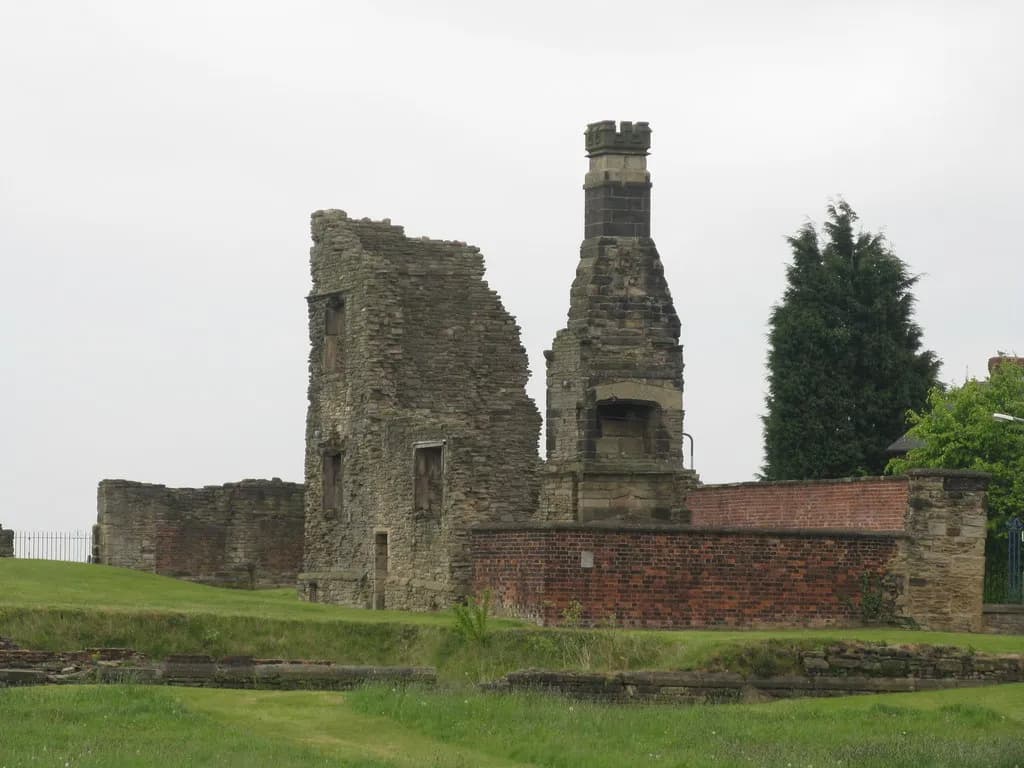
For fourteen years, the former Queen of Scotland lived under lock and key within Sheffield's walls, transforming the city into an unlikely epicentre of one of Tudor England's most captivating political dramas.
The Prisoner Arrives
Mary, Queen of Scots, entered Sheffield in late 1570, transferred from Chatsworth to become the responsibility of George Talbot, 6th Earl of Shrewsbury. She had fled to England in 1568 following her forced abdication, seeking protection from her cousin, Queen Elizabeth I. Instead of sanctuary, she received imprisonment. Talbot had received custody of Mary at Tutbury Castle on 2 February 1569; her relocation to Sheffield Castle marked the beginning of the longest continuous period of her English captivity.
Life Between Castle and Manor
Mary did not remain in a single cell. Her confinement alternated between Sheffield Castle, the Earl's principal residence, and Sheffield Manor Lodge, situated approximately two miles distant. An inventory from 1582 details the castle's extensive accommodations: a chapel, great hall, great chamber, bakehouse, brewhouse, pantry, and even a dungeon. She was permitted to walk upon the lead roof, dine in the Earl's large dining room, and exercise in the courtyard.
Her household was substantial. Records indicate she retained Scottish, French, and English servants including her secretary Claude Nau, attendant Mary Seton, physician Mr Burgoing, and embroiderer Pierre Oudry. The Queen kept turtle doves and Barbary doves as companions. During her imprisonment, she developed a productive embroidery practice, working alongside Bess of Hardwick, the Earl's wife, on textile projects. It was during this period that the "Sheffield Portrait" type emerged, created by painters working at Sheffield in 1577.
The Escape That Never Was
Despite her comfortable conditions, Mary remained a political prisoner with active supporters. In February 1571, an escape plot materialised. The plan involved George Douglas and Henry Percy leading riders to the Manor, where Mary would descend via a window to freedom. The scheme collapsed when Mary was moved from the Manor to Sheffield Castle before the attempt could be executed.
When the Earth Moved
The Queen's imprisonment was interrupted by natural disasters. On 26 February 1574, an earthquake struck Sheffield, damaging the castle apartment where she was held. A decade later, on 16 February 1584, another tremor occurred; Mary wrote that her ladies were seated at their work when the disturbance began.
The Cost of Custody
The burden of guarding England's most dangerous prisoner fell heavily upon Talbot. Elizabeth refused his repeated requests to resign the post for over fifteen years. The responsibility eroded his health; he suffered from rheumatism and gout throughout the period. More damaging still was the effect upon his marriage. Rumours circulated, never substantiated, of a relationship between the Earl and his royal prisoner. Bess of Hardwick later retracted these allegations, but the damage was done. Mary's presence had succeeded in driving a wedge between husband and wife, aggravating existing marital difficulties.
The Throckmorton Plot of 1583, discovered through investigation of Mary's secret correspondence, demonstrated that her political threat remained undiminished despite years of confinement.
Release at Last
In August 1584, Queen Elizabeth finally granted Talbot's petition releasing him from his duty. Mary departed Sheffield for Wingfield Manor under new gaolers Sir Ralph Sadler and John Somers, then progressing to Tutbury and finally Chartley Manor. At Chartley she became entangled in the Babington Plot, which would ultimately seal her fate.
Talbot survived to witness her end. He served as an official witness to Mary's execution at Fotheringhay Castle on 8 February 1587. He died in 1590 and was interred in the Shrewsbury Chapel at Sheffield Cathedral, his final resting place within the city where he had spent fifteen years as reluctant jailer to a queen.
Sheffield Today
Little remains of Sheffield Castle, demolished in the seventeenth century, though archaeological work continues to uncover its foundations. Sheffield Manor Lodge survives as ruins, a tangible connection to the city's unlikely role as prison to a Scottish monarch. The site stands as testament to fourteen years when England's most closely watched prisoner walked Sheffield's corridors, plotted her escape, and waited for freedom that would never come.